
I write gay boys.
I write brown, gay boys.
Why?
Good question! There's a perfectly logical, deeply personal explanation as to why I select brown, gay teenagers as narrators for my YA/MG contemporary realism. Within children's literature there's a wonderful essay by Rudine Sims Bishop entitled "Mirrors, Windows, and Sliding Glass Doors".
Take a look.
I believe strongly in this concept. Thus my aim as a creator, a writer, a contributor to the vast, incredible, fundamental world of children's/YA literature is to create books which act as mirrors, windows, and sliding glass doors. Take my current work-in-progress as an example.
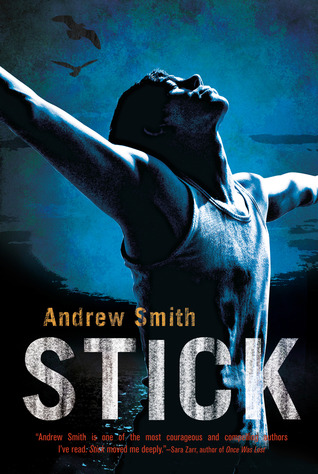 Mirror: It is the first book I've both written and read (repeatedly, I might add; I'm not done yet) wherein a black, gay, non-urban male protagonist narrates his story, shares his perspective. However, my goal isn't simply to present someone in YA fiction whose voice I've not heard. A novel's primary objective is to tell a story; a good novel's primary objective is to tell a compelling story. Good. Compelling. This is what I require of fiction I read. Why not require it of fiction I write?
Many might see this "mirroring" of myself as a selfish ambition. To fill my personal library with books I've written which mirror boys who look like me, act like me, feel like me seems indeed self-centered, self-focused, self-analyzing. While this may be true, a grander purpose affords any writer of what those part of the We Need Diverse Books initiative have taken to calling Mirror Books. Purpose: to fill other libraries--kid libraries, teen libraries, adult libraries--with books I've written which mirror boys who look like you, act like you, feel like you.
 There is this bizarre notion amongst literary people, readers, writers, and critics alike, that upholds equal access. What do I mean by this--equal access? What does "accessibility" really mean? Writers as diverse as Stephen King, E.L. James, Anne Rice, John Irving, and even J.K. Rowling all write what we assume are "accessible" stories. They're popular, right? Everyone's reading them! Who hasn't poured through the entire Harry Potter series over and over again? Who hasn't heard of, either film or novel, Interview with the Vampire? Who, by now, hasn't at least run across several wary, strange conversations concerning "them Fifty Shades of Grey" books?
Notice something here. Popular = Accessible.
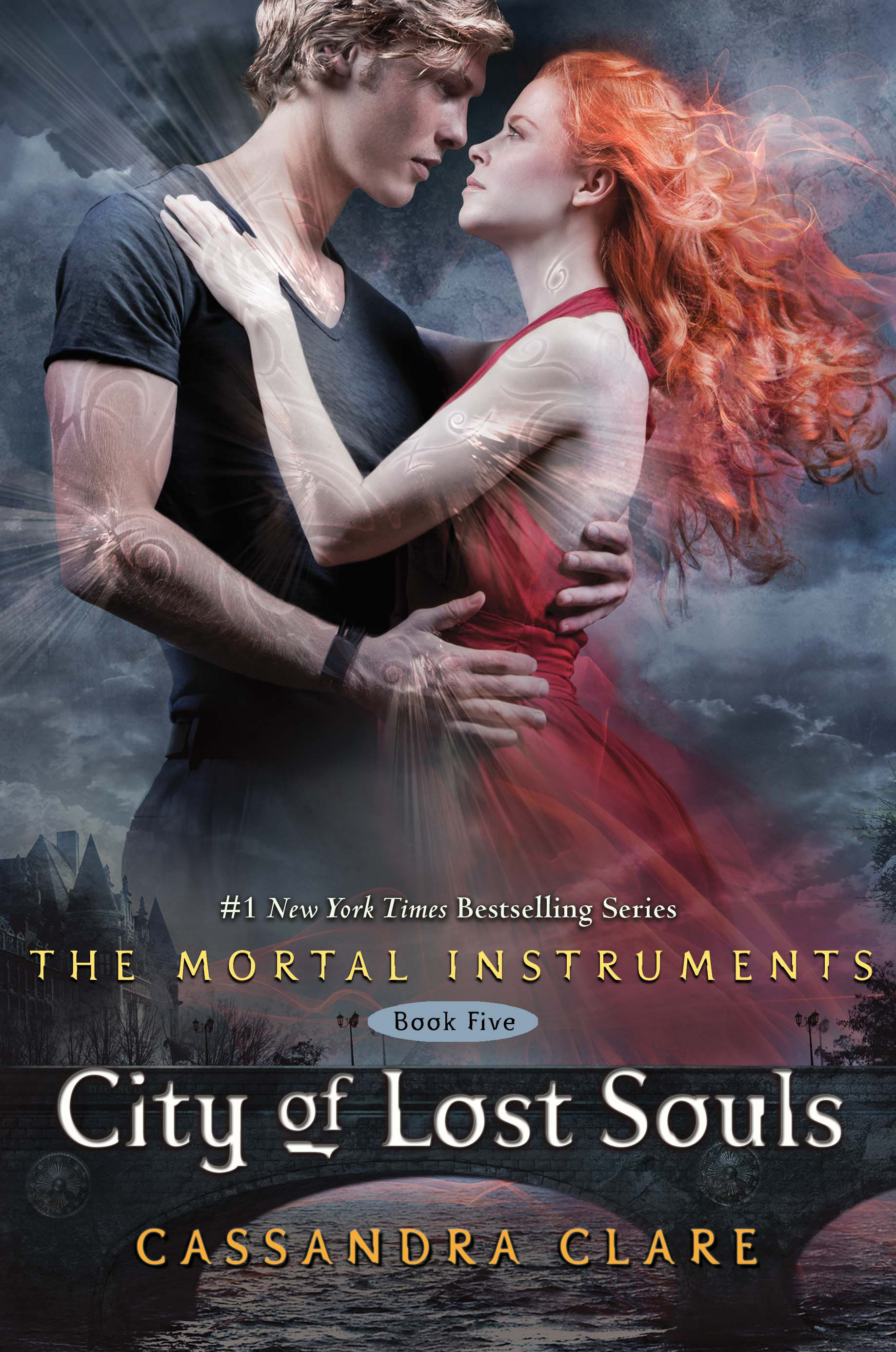
Strains of this can be witnessed in children's/YA literature too. The Percy Jackson series. Twilight. Cassandra Clare and her Shadowhunters (The Mortal Instruments series, The Infernal Devices trilogy, the upcoming The Dark Artifices series et al). Fantasy, in general, tends to yield greater popularity than even the ever-burgeoning field of contemporary realism. Legions of new readers latch hold of debut fantasy/sci-fi series such as The Hunger Games, Divergent, The Grisha Trilogy, The Throne of Glass series, etc.
Popular.
Nothing wrong with popular. In fact, as Anne Rice often advocates, when one author succeeds so highly we all succeed. More teenagers reading YA books means more YA imprints seeking/publishing YA authors. But these popular stories have their price. Of them all, none can be named wherein anyone other than each series' heterosexual white protagonist (male or female, doesn't seem to matter) represent popular, "accessible" titles. This, combined with an aged, ragged history of publishers/editors/agents admonishing authors to alter main characters' 1) sexuality or 2) race or 3) disability/mental illness, mixes for a dangerous solution.
If popular equals accessible and popular is singularly (wholly) represented by straight white protagonists, then popular equals straight white protagonists.
Let's be fair. The bones of American culture are Sexism, Racism, Heteronormativity. It is only natural such a culture flexes its straight white muscles by utilizing each facet of our Puritanical, Patriarchal society. This social upbringing alone explains our avoidance of cultures and subcultures which do not appreciate or uplift straight, white concerns.
This, at least, explains necessity for Mirror Books. But the discussion widens here, as it must.
Bear with me.
 Windows: Let's recall, as stated above, a novel's primary objective. To tell a story. This is not enough. For me (for many), a good novel must also tell a compelling story. How then, if said story isn't "accessible" or considered "accessible", does one tell a good, compelling story? What facets must we require of a good, compelling story?
The simple answer to this is that each reader brings his/her/our own imagination to each novel. Half of what we see is dictated by the words the author selects to fill the page, the other half is dictated by the reader's imagination. To quote Rudine Sims Bishop: "Books are sometimes windows, offering views of worlds that may be real or imagined, familiar or strange." My books, though they tend to be works of contemporary realism, strive to represent all these aspects--reality, imagination, familiarity, and strangeness. To some, my gay brown boy narrator, is reality; to some, he is wholly imagined; to some, he is achingly (perhaps refreshingly) familiar; to some, he is strange.
To some a mirror. To some a window.
To all?
"Accessible".
Sliding Glass Doors: Rudine Sims Bishop is one whip-smart lady. Let's hear what she has to say on Sliding Glass Door Books.
Here she is:
"These windows are also sliding glass doors, and readers have only to walk through in imagination to become part of whatever world has been created or recreated by the author. When lighting conditions are just right, however, a window can also be a mirror. Literature transforms human experience and reflects it back to us, and in that reflection we can see our own lives and experiences as part of the larger human experience. Reading, then, becomes a means of self-affirmation, and readers often seek their mirrors in books" (Mirrors, Windows, and Sliding Glass Doors, paragraph 1).
It is not enough for any book of mine to reach the shelf as simply a mirror. It is not enough for any book of mine to reach the shelf as mirror to some, window to others. Remember, a good story is also compelling. Good, compelling fiction functions primarily as a sliding glass door. If the reader is barred from "access" into whatever world--"real, imagined, familiar or strange"--the author has conjured, a story yet exists. Perhaps a Mirror Story. Perhaps a Window Story. Or even a Mirror-Window Story. Yet, the inability to shove in the lock, grab hold of the handle, and fling open that sliding glass door proves the malfunction of what otherwise might be a good, compelling, "accessible" reader experience.
I want nothing to do with any story I write that cannot serve as a Sliding Glass Door Story. Indeed, my goal is higher. I want only Mirror-Window-Sliding Glass Door Stories to fill the pages, the shelves, the imaginations each reader of mine encounters. I want only to write Good, Compelling stories.
"Accessible".


No comments:
Post a Comment